
Vascular screening refers to a set of tests done to detect diseases that affect the arteries, like abdominal aortic aneurysm, peripheral artery disease and stroke. These three diseases are the most serious vascular diseases that don’t involve the heart affecting Americans. They are also “silent,” which means they generally do not cause symptoms until they are advanced. Some people, for example, don’t know they have plaque accumulating in their carotid arteries until they have a stroke.
How Does Vascular Screening Work?
Vascular screening consists of three tests that detect blockages or plaque accumulations developing in the patient’s blood vessels. Each test takes around 15 minutes, so the entire screening usually takes around 45 minutes.
Abdominal aortic aneurysm scan
The abdominal aortic aneurysm (AAA screening) scan checks for abnormalities in the walls of the aorta. In an aneurysm, the walls of the aorta become weak and distended and can eventually rupture, killing the patient in about 80 percent of cases. The patient typically shows no symptoms beforehand.
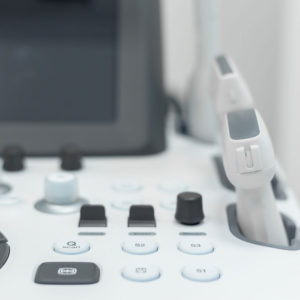
The AAA screening involves the use of ultrasound. The patient lies on their back, and a technician runs the ultrasound device up and down their abdomen. The device measures the abdominal aorta and takes pictures of it.
Carotid Ultrasound
The carotid ultrasound is used to check for blockages or plaque buildup in the carotid arteries, which are in the neck. Damage to these arteries can lead to a stroke, which is the most common cause of disability in the United States.
Ankle-brachial index test
The ankle-brachial index test is used to check the patient for peripheral artery disease (PAD), which involves the arteries in the limbs. During the test, the patient lies on a table, and a technician measures the blood pressure in both arms. The technician also measures the blood pressure in both ankles. The technician will use a Doppler ultrasound device to take pictures of the desired arteries.
Who Should Undergo Vascular Screening?
Anybody who is over 55 should undergo vascular screening. Patients who are over 40 and have multiple risk factors also need to undergo vascular screening.
Such risk factors include the following:
- Diabetes
- Family history of stroke or heart disease
- High cholesterol
- High blood pressure
- Sedentary lifestyle
- History of smoking
- High levels of stress
- Overweight
How Often Should Somebody Get Screened?
If the results are normal, the patient will need a vascular screening only once every five years. If the screening indicates vascular disease, the patient should undergo subsequent screenings once every year.
How is Vascular Disease Treated?
There are several possible treatments, and the severity of the disease will determine the type chosen. Lifestyle changes like exercising, quitting smoking or improving one’s diet can prevent vascular disease from getting worse. They won’t remove blockages that have already developed, but they can reduce the chances of stroke or heart attack.
Medications for conditions like high blood pressure or high cholesterol can also prevent a heart attack or stroke. They can also slow or even stop the progression of disease. In more severe cases, a surgical procedure can be performed to open up blocked arteries or go around them.
Vasular Screening at Miami Vein Center
If you are over the age of 55 or have any of the above risk factors, we highly encourage you to visit the Miami Vein Center for vascular screening with our board certified vascular surgeon, Dr. Jose Almeida. Contact us today to schedule your appointment at our office in Miami.